
Tailored Onsite Training in Natolin - 2nd edition
About
03.08.2025 - 12.09.2025
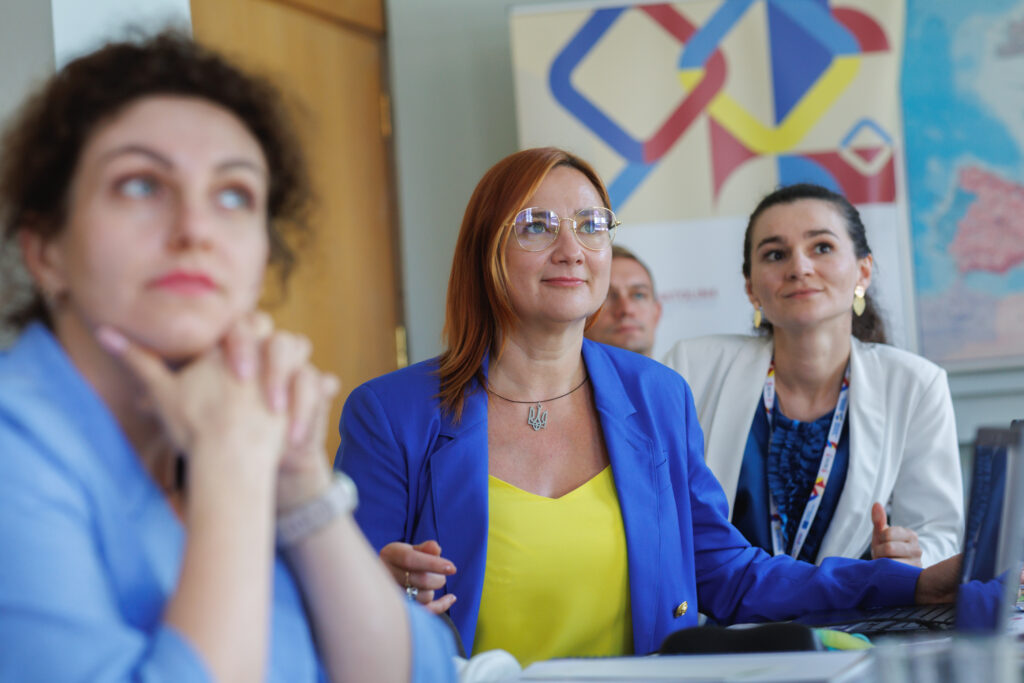
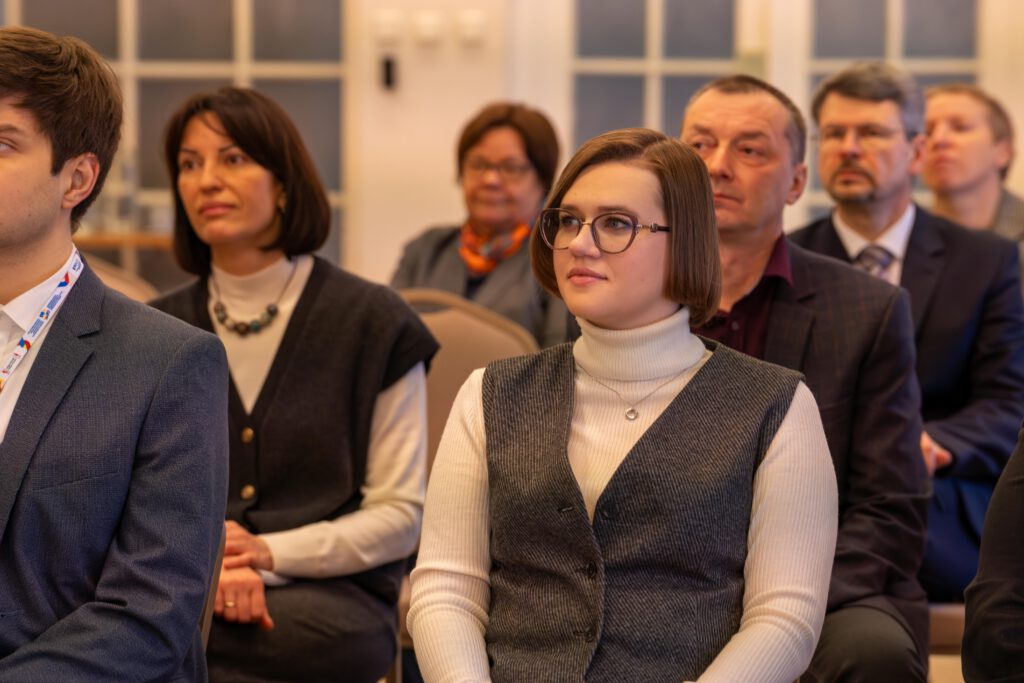
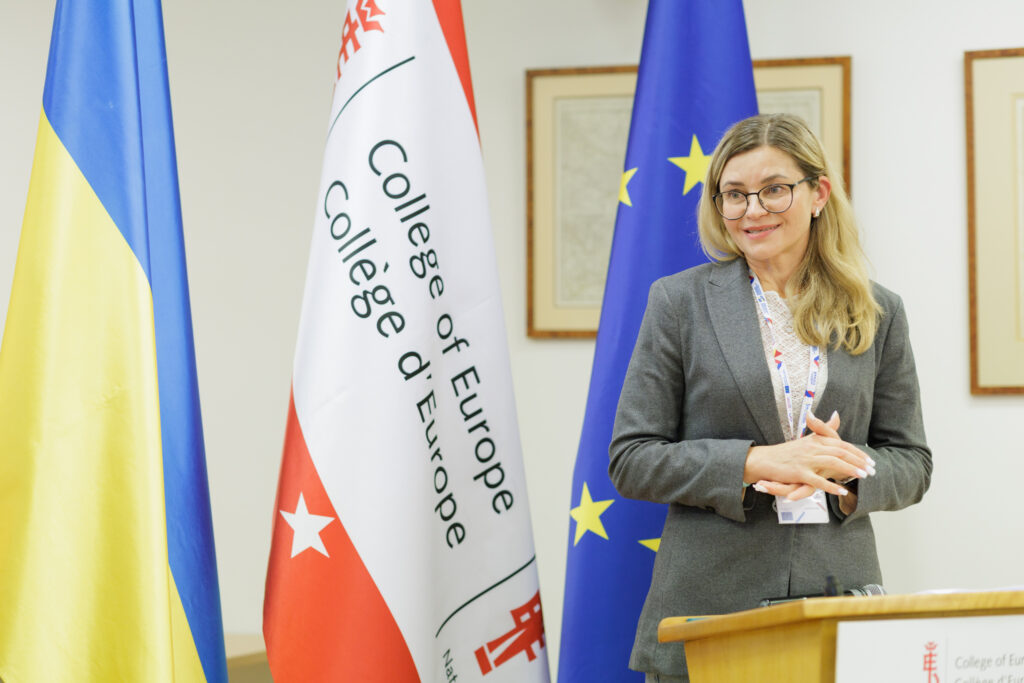
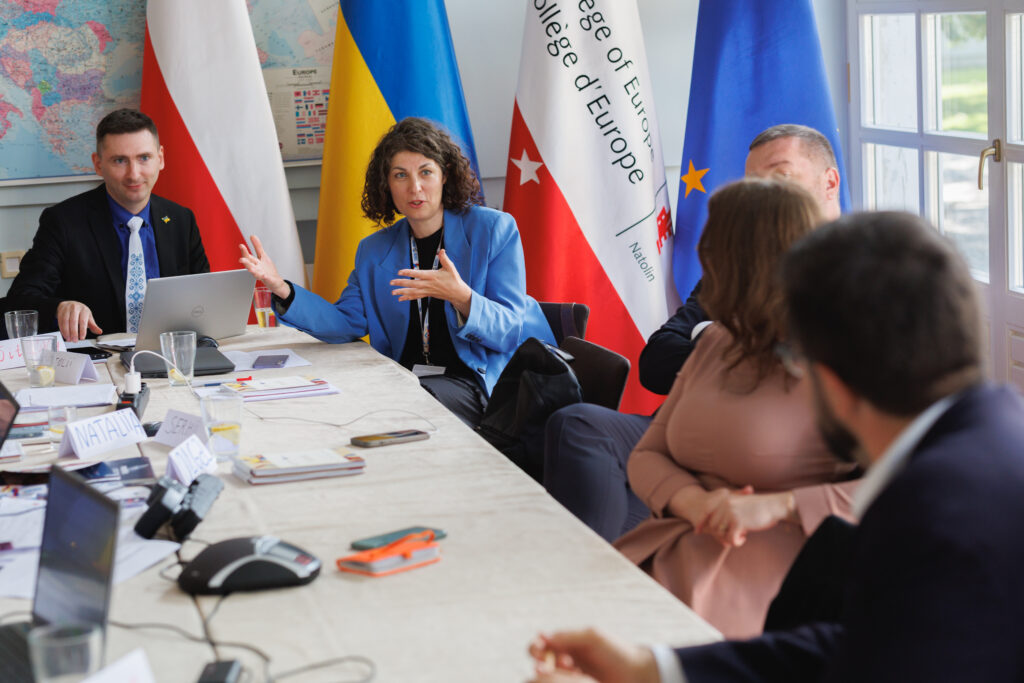
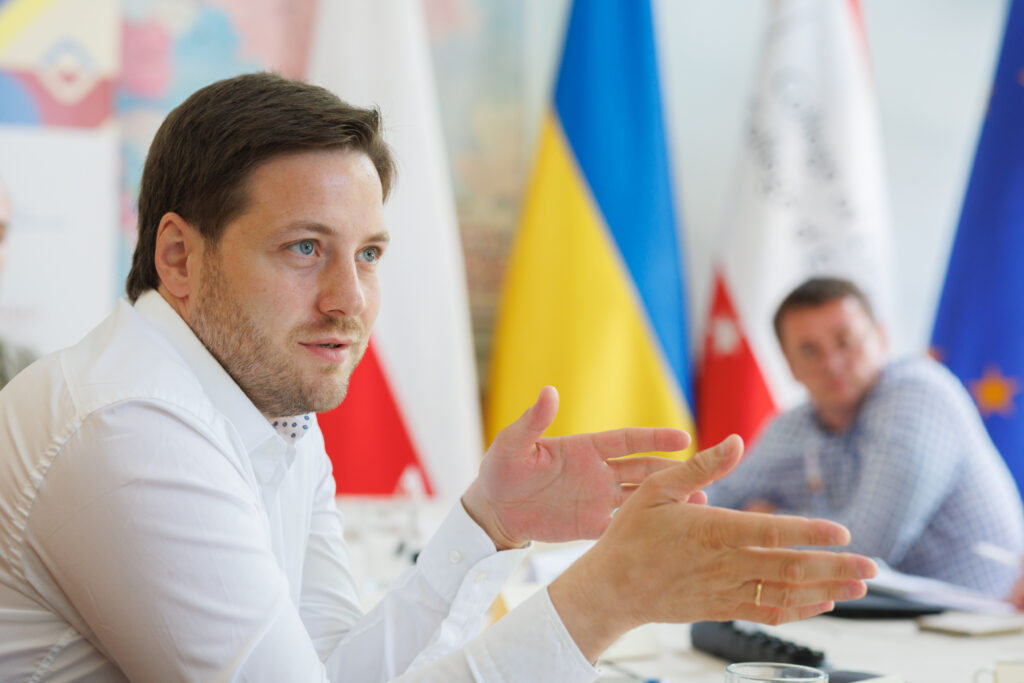
The 2nd edition of the Tailored Onsite Knowledge and Analytical Skills Programme took place from 3 August to 12 September 2025 at the College of Europe in Natolin. This edition was dedicated to the Internal Market negotiation cluster. During the six-week programme, participants examined the economic foundations of European integration, the functioning of the EU Single Market, and the four fundamental freedoms. The training also addressed selected chapters of the EU acquis related to the Internal Market, including Free movement of capital (Chapter 4), Intellectual property law (Chapter 7), and Financial services (Chapter 9).
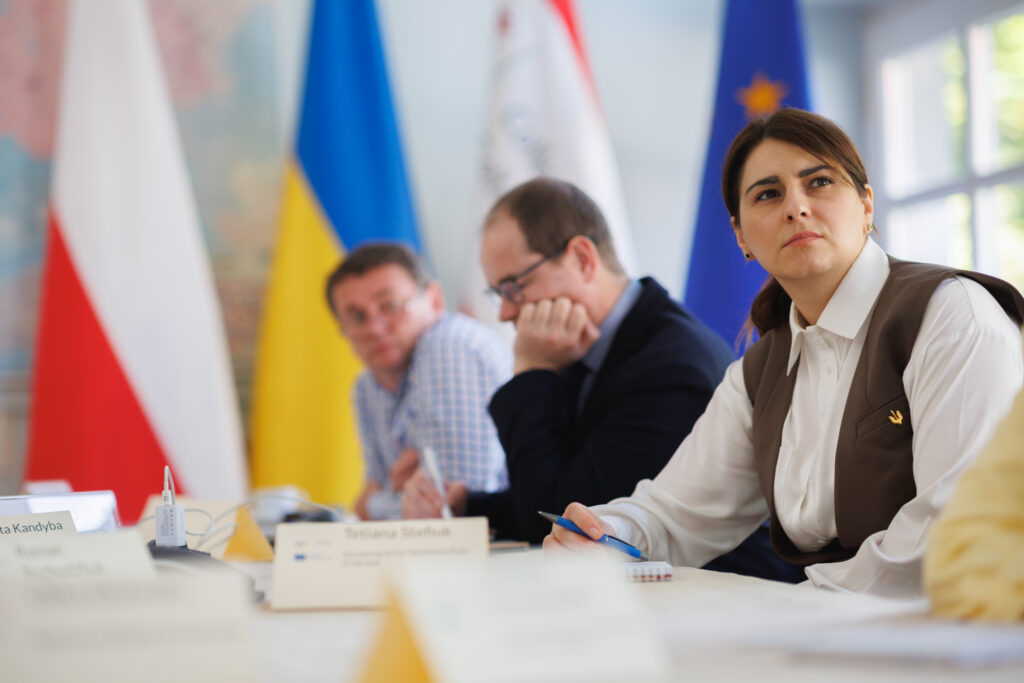
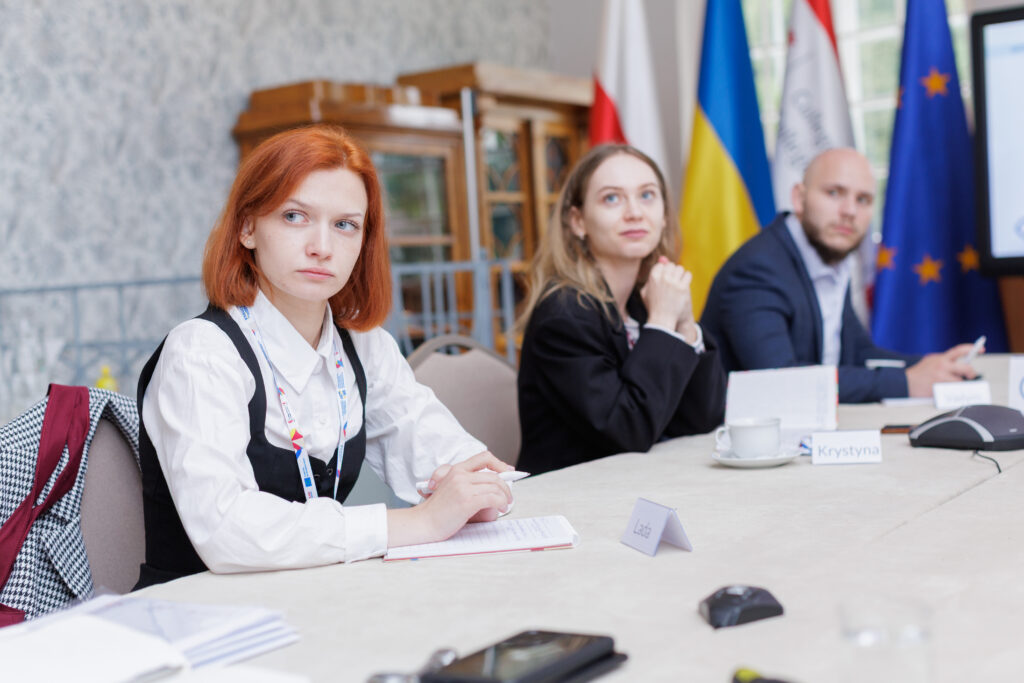
The group included seven representatives from several Ukrainian public institutions: the Secretariat of the Verkhovna Rada of Ukraine, the National Securities and Stock Market Commission, the National Bank of Ukraine, the Ministry of Economy, Environment, and Agriculture of Ukraine, the Ukrainian National Office for Intellectual Property and Innovations, the Government Office for Coordination of European and Euro-Atlantic Integration, and the Deposit Guarantee Fund.
As part of the programme, participants took part in institutional group visits in Warsaw, meeting with experts from the Polish Institute of International Affairs (PISM), the Centre for Eastern Studies (OSW), the Polish Economic Institute, the Ministry of Finance of Poland, and the European Border and Coast Guard Agency (Frontex). These meetings focused on EU economic governance, financial regulation, and broader aspects of European integration.
The programme also included a study visit to Gdańsk and Gdynia, focusing on regional development, innovation, and economic transformation. Participants visited the Gdańsk Science and Technology Park, the Port of Gdańsk, and the Marshal’s Office of the Pomeranian Voivodeship, where discussions addressed regional innovation ecosystems, port development, and regional economic policy. The visit also included meetings at the European Solidarity Centre and the Emigration Museum in Gdynia, providing historical context on social change and European cooperation in the region.
Share article: