
Tailored Onsite Training in Natolin

About

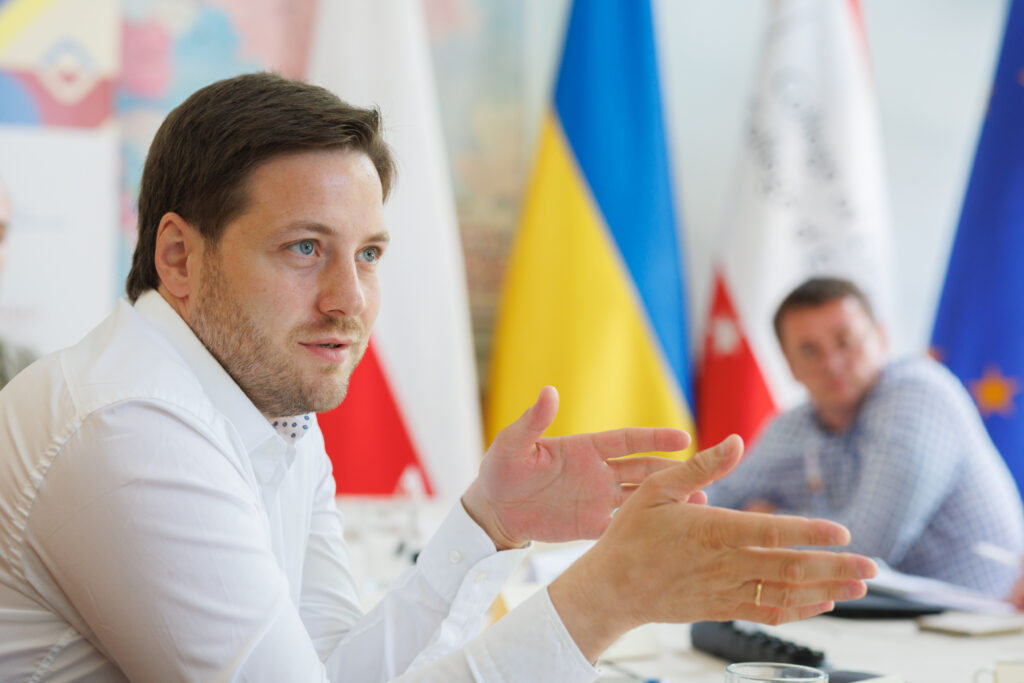
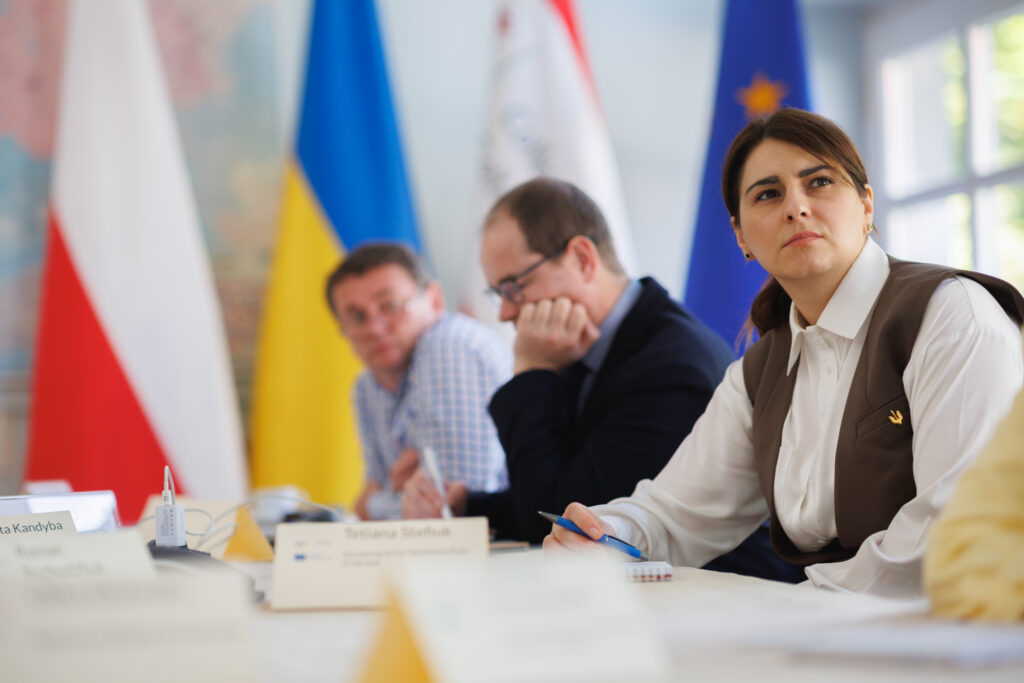
The Tailored Onsite Knowledge and Analytical Skills Programme at the College of Europe in Natolin is a core training initiative designed to equip Ukrainian public administration employees with the knowledge and analytical skills required for the European Union accession process. The programme supports participants in developing practical expertise that can be directly applied to Ukraine’s preparations for EU membership.

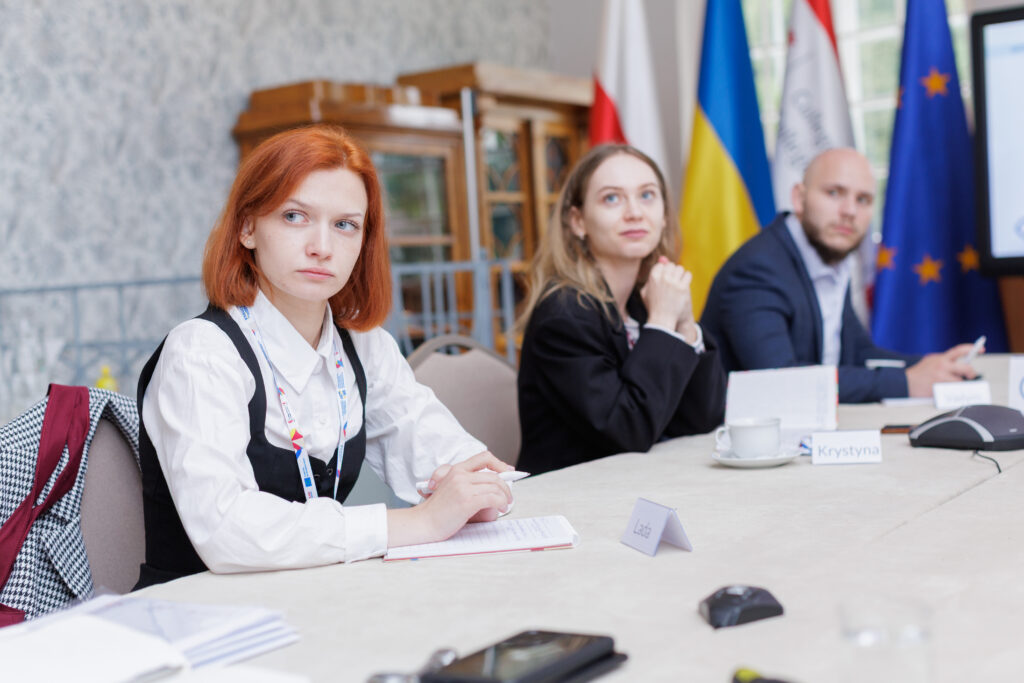
The training is delivered in small, closely connected groups of up to ensure an effective and comfortable learning environment. A total of 12 groups is formed, each comprising up to nine participants, with approximately 100 Ukrainian public administration employees taking part overall. The programme places particular emphasis on preparation for and participation in EU accession negotiations.

Each six-week session provides an intensive and immersive learning experience in Natolin (Warsaw). Participants examine the institutional, legal, and procedural aspects of the EU accession process while strengthening their research and policy analysis capacities. After successful completion of the training the participants become members of the N4CB alumni network.

Educational Programme delivered by professionals and academics

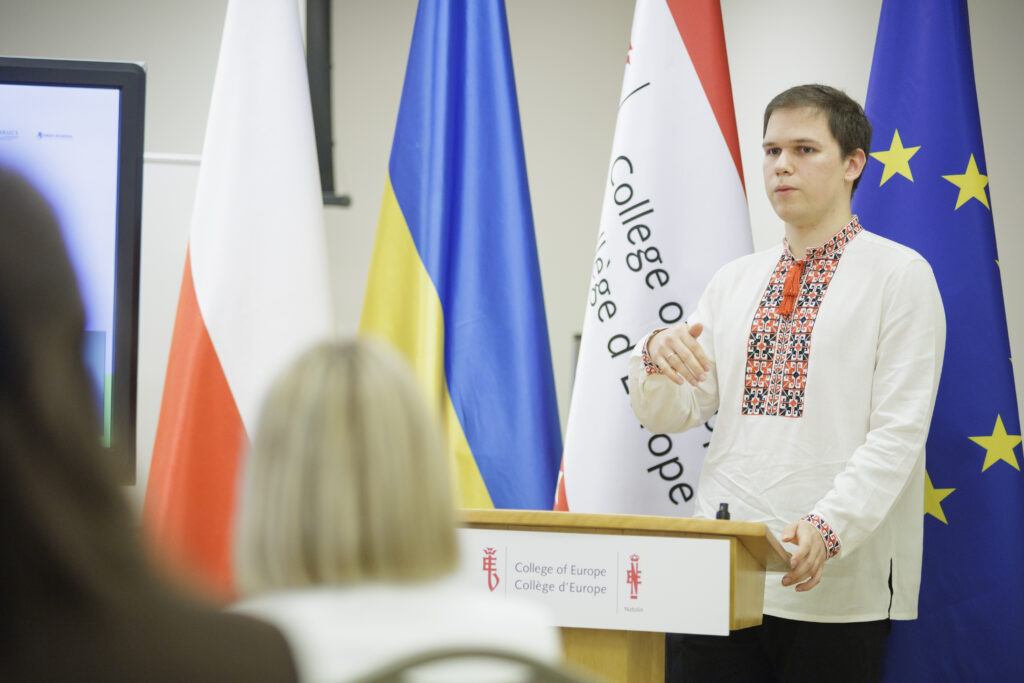
The programme is delivered in the academic environment of the College of Europe in Natolin. Participants benefit from instruction provided by both academics and high-level officials from EU Member States and other European countries. The programme brings together experts from, among others, Poland, Belgium, Croatia, Germany, Romania, Ukraine, and the United Kingdom.

The faculty includes former and current officials of the European Commission, among them a former Commissioner, Directors-General, and senior policy officers, as well as diplomats with practical experience of the 2004, 2007, and 2013 EU enlargements.

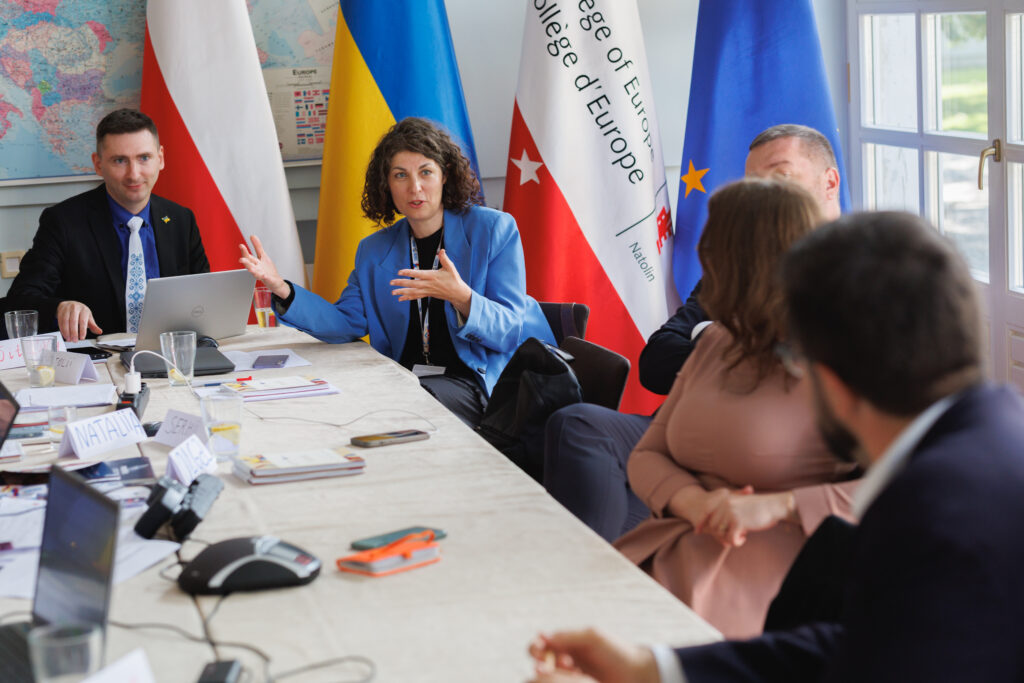
The curriculum combines theoretical foundations with practical application. Training for each group is closely tailored to participants’ professional needs and aligned with their work within the relevant clusters and acquis chapters.

Analytical Skills Development and 1:1 Mentoring

Throughout the programme, participant develop their analytical capacities, culminating in the preparation of an analytical paper. This analytical work is conducted as an educational simulation in which participants assess the feasibility of incorporating a selected EU provision into Ukraine’s legal system and identify the administrative measures required for its effective implementation. Where appropriate, participants may also formulate a draft negotiation position.

In the process, each participant is guided in a 1:1 mentorship by the Project Mentor who include former and current high-EU and Member State officials with direct experience of EU accession processes.

Study visits and off-site trips

The programme is complemented by off-site visits that provide participants with direct insight into European and Polish institutions. In previous editions, participants visited, among others:

  • European Border and Coast Guard Agency (Frontex)
  • Office for Democratic Institutions and Human Rights of the OSCE
  • European Commission Representation in Poland
  • Polish Institute of International Affair
  • Centre for Eastern Studies (OSW)
  • Polish Economic Institute (PISM)

In addition, participants visited with more than 20 different ministries and central government agencies to deepen their understanding of sector-specific implementation practices.

Each cohort also undertakes a study visit outside Warsaw to examine EU integration processes from the perspective of local government.
1st edition
09.06.2026 - 25.06.2025

1st edition

2nd edition
03.08.2025 - 12.09.2025

2nd edition

3rd edition
21.09.2025 - 31.10.2025

3rd edition

4th edition
02.11.2025 - 12.12.2025

4th edition

5th edition
12.01.2026 - 20.01.2026

5th edition

FAQ

What is the Tailored Onsite Knowledge and Analytical Skills Programme about, and what is its purpose?

This programme is offered to enhance the knowledge and skills of Ukrainian public administration officials so that they can professionally and successfully manage the EU accession process.

Who is organising the Programme?

The College of Europe in Natolin organises the Tailored Onsite Knowledge and Analytical Skills Programme (training) as part of Natolin4Capacity Building Phase II – Strengthening Ukrainian Public Administration for EU Integration. The project is funded by the European Union.

What other activities are being carried out as part of the Natolin4Capacity Building Phase II Project?

  • Training in Ukraine (Kozyn) organized by High School of Public Governance.
  • E-learnings accessible on StudyiЯ platform manged by the High School of Public Governance.
  • Webinars for project alumni organized by College of Europe, Natolin.
  • Training of Trainers session organised by High School of Public Governance.

What is the duration of the Programme?

The programme lasts 6 weeks.

Where will the training take place?

The training will take place at the campus of College of Europe in Natolin (Warsaw, Poland).

What is the schedule of the Programme training editions?

The schedule of separate editions is available on the project website www.natolin4cb.eu.

What is the language of training sessions in Natolin (Warsaw)?

English is the language of instruction for all training assignments.

What is the Onsite Knowledge and Analytical Skills Programme format?

The training is delivered fully onsite in Warsaw. Prior to their arrival to Warsaw participants will meet online their individual mentors.

How many hours per week does the training take?

The weekly workload amounts to c.a. 20-25 hours, excluding work on analytical papers.

Will there be classes on weekends?

In principle, there are no assignments planned for weekends.

Is a certificate issued upon completion of the course?

Yes, participants will receive a certificate of successful completion of the training.

What requirements do I have to meet to receive a certificate of completion of training?

The participant receives a certificate upon completing all training assignments and delivering an analytical paper developed during the training stay.

What is an analytical paper and what are the requirements for it?

The analytical paper is a written work developed by each participant during their training stay and delivered to the mentor at the end of training period. During a wrap-up session of the programme, each participant will present orally the summary of their analytical paper. The main goal of developing an analytical paper is to equip participants with the knowledge and skills needed to effectively support, present, and defend potential derogation subjects in negotiations with the EU, as well as to implement the legislative changes required for successful integration.

Will the work on the analytical paper be supported by assistance from experts?

Yes, each participant will benefit from regular assistance from experts who will mentor the process from its very beginning to successful completion. The support will be delivered during the whole period of training in the form of regular group and individual meetings with Mentors.

Who can participate in the course?

The training is open to Ukrainian public administration employees who are professionally engaged in the EU accession process.

What are the application deadlines?

The deadline for submission of applications for respective training editions are available on the website of the N4CB Project.

Do I pay for participation in the training?

The cost of participating in this training is fully covered by the European Union.

What do the Organiser pay for?

The Organiser will cover the costs of:

  • training facilities
  • international travel for the training (UA-PL) and back (PL-UA) by train (2nd class, seating or sleeping place) / bus / or, in exceptional circumstances, by car;
  • local travel in Warsaw
  • insurance against accidents
  • accommodation
  • catering

Will I receive a scholarship?

Yes, each participant will receive a scholarship (cash), which will cover the following costs: international travel (back-to-back), local travel in Warsaw, catering (breakfasts, dinners, and lunches not provided at the College canteen, usually during weekends), and incidentals.

Where will I live?

The training participants will be accommodated in apartments comprising separate bedrooms, conveniently located within a 30- 40-minute journey by public transport from the training venue.

Is catering provided?

Breakfasts, lunches, and dinners from Monday to Thursday available at the Natolin canteen will be provided by the Project. The meals on other week days will be organised by the participants themselves, using the scholarship provided by the Project.

Is medical insurance provided?

The organiser provides insurance against accidents.

Who to contact if you have any questions?

You can reach us by e-mail or phone (+48 602463806 WhatsApp). The details are available at www.natolin4cb.eu.

What topics will I study in the programme?

In principle, the training programme will include knowledge and skills components.

The knowledge component will include knowledge-related meetings and sessions with experts on topics related to European integration, such as the organization and stages of the accession process, current negotiation structure (clusters), management and coordination of the pre-accession process, EU policymaking, and select EU policies and/or acquis chapters. The module may also cover specific issues related to the EU's institutional and legal structure as needed to level participants’ preparation for more specialized topics.

The skills component will focus on learning and practicing the professional skills needed to become successful negotiators or skilled analysts. It will include workshops on negotiation techniques, internal management and coordination of pre-accession and accession negotiations, strengthening legal analysis capabilities, EU acquis compliance assessments, and regulatory impact assessments. Workshops will also support the preparation of analytical papers, covering research methodology, data collection and analysis, and the development of thematic analyses and position papers. Simulation games will be utilized as a supplementary tool in these workshops, enabling participants to acquire knowledge and practice procedures critical for EU accession negotiations and their preparation.

Who will teach the programme?

The courses will be led by recognised experts and outstanding practitioners, each possessing deep expertise and extensive experience in their respective fields.

Are cultural events planned?

Yes, the Organiser will offer a number of various cultural events to the participants in their leisure time.

Get Closer
to What’s Next

I consent to the processing of my personal data for the purposes necessary to deliver the newsletter, in accordance with Regulation (EU) 2016/679 of the European Parliament and of the Council of 27 April 2016 on the protection of natural persons with regard to the processing of personal data and on the free movement of such data, and repealing Directive 95/46/EC (GDPR).